The Key to Effective Performance Management

October 12, 2022

                      “Coming together is a beginning; keeping together is progress; working together is success.”                                     - Henry Ford


Having a consistent and effective performance management system is the backbone of any successful company. However, not every company has the right tools in place to ensure that their performance management processes are up-to date and truly helpful in achieving the overall organizational goals. One of the reasons, why so many companies get this crucial operational aspect wrong, is because they often do not have a system that truly measures performance in its entirety and rather, relies on arbitrary metrics. Therefore, before incorporating a performance management system into your organization, it is important to understand what it actually entails.


Performance management is the process of establishing, with clarity, the job responsibilities, priorities and expectations, an employee must live up to in order to effectively align with the goals of the organization within which they are operating. This process is not just evaluating a performance during the end of the fiscal year, but in fact, is an all-inclusive analysis of what an employee is bringing to their role every day. There are a few key aspects that create a strong performance management system that truly works, here are a few that, we believe, are fundamental to the process:


  • Strong and relevant metrics

 If your employees do not know exactly what is expected from them, it is highly likely that they will not have the enthusiasm and direction to work towards. Therefore, at the beginning of their employment with your organization, it is essential to present them with a clear and comprehensive set of expectations that they must aim to not just meet but exceed. These metrics must also align with your overall company goals, you cannot simply replicate the metrics of an organization that is completely in contrast to your own. Doing this will confuse your overall objectives, instead of having a set of goals that are relevant to your company. Therefore, establish clear metrics from the start, to get the ball rolling!


  • Realistic targets

 The key to effective target-setting is to achieve the perfect balance of goals. Targets that are too easy will not encourage employees to challenge themselves and/or grow in their respective goals. On the other hand, targets that are extremely difficult and seemingly unattainable might affect the morale of your staff, and as a result, totally backfire. The ideal set of targets are both challenging yet attainable, as this balance promotes more consistent motivation for your employees.


  • Open and honest communication

 Once you have established your targets and what you expect from your employees, the process doesn’t end. Performance management shouldn’t be a passive system that only comes up during fiscal evaluations. Instead, it should always encourage a positive and healthy relationship of communication between both the employee and employer. Metrics should be regularly assessed and performances should also be regularly evaluated to ensure that the alignment achieved when setting the targets is not dwindling. This could be in the form of regular one-on-one sessions with each of your employees to make sure they’re on the right track and to address any concerns or feedback they may have. Do what makes best sense for your organization and teams. There is no golden rule to this – monthly, quarterly, half-yearly, whatever suits best but is most effective and manageable.


Creating a solid and realistic performance management system that works and brings you the results you desire is not easy but with the right support, it can definitely be achieved! At HTRUST, we pride ourselves on understanding the unique needs and goals of a company and creating exceptional performance management systems for them that deliver results! Reach out to us today and let’s get started!

By looka_production_87182833 January 8, 2026
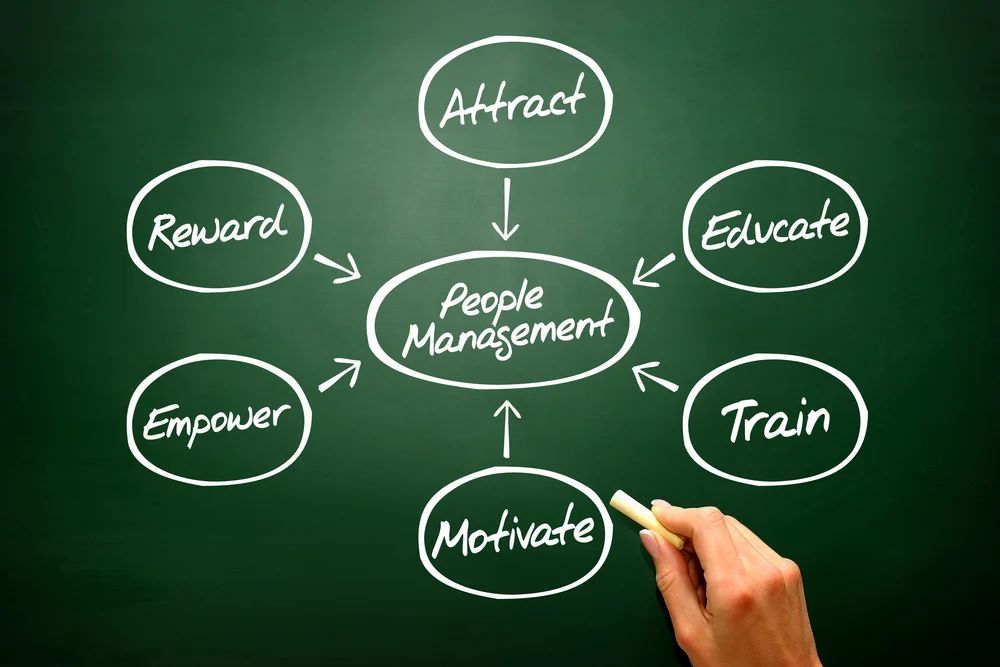
We live in a world defined by rapid technological advancement, shifting workforce expectations, and global competition. However, one truth remains constant - people are the heart of every organization. While strategies, systems, and structures change, it is people management that ultimately determines whether a business thrives, stagnates, or declines. People management is not a support function. It is a core business discipline . When it is done poorly, the damage shows up in lost talent, weak execution, and declining performance. Managing people includes managing their expectations, caring for their well-being and ensuring any roadblocks are overcome. That’s when they will perform their best. Read on to understand why business leaders really need to take people management more seriously. 1. Poor People Management Destroys Performance When expectations are unclear, feedback is absent, and managers avoid difficult conversations, performance inevitably drops. Employees stop taking ownership, effort becomes transactional, and accountability fades. What follows is predictable: missed targets, frustrated leaders, and teams doing just enough to get by. 2. Bad Managers Drive Good People Out Employees tolerate pressure - but they don’t tolerate neglect, inconsistency, or disrespect. Weak people management leads to: High attrition of top performers Low morale among remaining staff A culture where mediocrity survives and excellence exits By the time leaders react, the damage is already done. 3. Disengagement Is the Hidden Cost of Poor People Management Practices Disengaged employees don’t always resign. Many stay - but they stop caring. They contribute less, avoid responsibility, and resist change. Productivity declines slowly, making the problem easy to ignore and expensive to fix. Poor people management doesn’t create sudden failure - it creates silent erosion . 4. Neglecting Employee Experience Through Improper Management Weakens Commitment When people feel undervalued, unheard, or overworked, commitment disappears. No amount of compensation can offset: Lack of respect Absence of growth Poor work-life boundaries Inconsistent treatment Employees may stay, but loyalty is gone - and so is discretionary effort. 5. Failure to Develop People Guarantees Future Skill Gaps Organizations that don’t invest in developing their people create dependency on external hiring, rising costs, and long-term capability gaps. Poor people management treats learning as optional. Strong people management treats development as essential. 6. Weak People Management Practices Create Toxic Cultures Culture is shaped by daily management behaviors - not value statements. Inconsistent decision-making, favoritism, and lack of accountability quickly erode trust. Once trust is lost, collaboration, performance, and engagement follow. The Reality Leaders Must Face Poor people management doesn’t just hurt employees - it hurts the business . Organizations that ignore this reality will continue to struggle with: Low engagement High attrition Weak execution Stagnant performance The Call to Action The cost of poor people management is no longer hidden - it shows up in lost talent, low engagement, weak execution, and stalled growth. This is not a future risk. It is a current one. Leaders must stop treating people management as intuitive or secondary and start treating it with the same rigor as finance, operations, and strategy. That means holding managers accountable, fixing broken practices, investing in capability, and acting early - before disengagement turns into attrition. Organizations that act now will build stronger, more resilient teams. Those that don’t will continue paying the price - quietly, consistently, and expensively. The choice is clear: Manage people deliberately - or deal with the consequences. Talk to us if you want to be at the forefront of dealing with this topic effectively in your organization . The Align 361 Program from HTrust may just be the solution you were looking for.
hr consultancy services in uae by HTRUST Human Resources Consultancy
By looka_production_87182833 June 10, 2024
‘Trust is the one thing that changes everything’ – in the words of Stephen MR Covey. A PwC survey found that 86% of executives report high trust in their employees, but only 60% of employees feel highly trusted, which clearly shows a significant communication gap. Let’s face it - establishing a culture of trust is not only essential but it’s imperative in today's times - for fostering collaboration, innovation, and employee satisfaction in the workplace. But how easy or difficult is that to create? Here are some simple yet practical strategies which will help build a culture of trust in your organizations. Promote Open and Honest Communication Effective communication is fundamental to building trust. Encourage your teams to share their ideas, concerns, and feedback openly. Regular team meetings, transparent information sharing, and an open-door policy can facilitate this. It’s important not just to speak but also to listen—genuinely hearing and acknowledging what your teams have to say. Lead by Example Actions speak louder than words. Its essential for leaders to model the behavior they want to see in their teams. This means keeping promises, being accountable, and demonstrating integrity in every action. When the team sees that they are reliable and trustworthy, they are more likely to emulate those qualities. Recognize and Appreciate Contributions Acknowledging the hard work and achievements of team members is crucial. Regular recognition and appreciation can boost morale and reinforce trust. Whether through a public acknowledgment in a meeting or a personal thank-you note, showing appreciation makes employees feel valued and trusted. Encourage Collaboration Over Competition While a little competition can be healthy, excessive competition can undermine trust. Promote a collaborative environment where team members work together towards common goals. Team-building activities and cross-functional projects can help break down barriers and foster a sense of unity and trust. Invest in Professional Development Show your teams that you are invested in their growth and development. Providing opportunities for training, learning, and career advancement demonstrates that you care about their future. When employees feel supported in their professional journey, they are more likely to trust their leaders and the organization. Creating a culture of trust is not a one-time effort but a continuous process. It requires dedication, consistency, and a genuine commitment to the well-being of the team. The benefits, however, are immense: a motivated, engaged, and loyal workforce that drives organizational success. So focus on creating an environment in your organization where trust and transparency are normalized. Let's build workplaces where trust isn't just a concept but a lived reality. To build a place that embodies Trust in every aspect - talk to us at - info@htrustconsulting.com
hr consultancy services in uae by HTRUST Human Resources Consultancy
By Aditi Priya November 7, 2023
In the age of remote work, successful collaboration has become an essential skill for teams to thrive. Whether your team is spread across the globe or simply working from home, effective remote collaboration can make or break a project. Here are some key strategies for successful team projects in a remote work environment. 1. Clear Communication: Communication is the bedrock of successful remote collaboration. Use various communication tools like video conferencing, chat apps, and emails to ensure that team members are always in the loop. Establish clear expectations for response times and ensure everyone knows when and how to reach each other. 2. Embrace Collaboration Tools: Leverage project management and collaboration tools to keep everyone organized and on the same page. Tools like Slack, Trello, Asana, and Microsoft Teams can streamline tasks, timelines, and priorities, making remote collaboration more efficient. 3. Define Roles and Responsibilities: Clearly define each team member's roles and responsibilities from the outset. When everyone knows what's expected of them, it reduces confusion and increases accountability. Use project management software to document roles and track progress. 4. Set Clear Objectives and Goals: Start every project with clear objectives and goals. Ensure that every team member understands the project's purpose, scope, and desired outcomes. This clarity helps everyone stay focused and aligned. 5. Establish Regular Check-Ins: Schedule regular team meetings and one-on-one check-ins. These meetings are crucial for discussing progress, addressing challenges, and maintaining team cohesion. Video calls add a personal touch, enhancing the connection between team members. 6. Document Everything: Remote teams should be diligent about documentation. Keep records of discussions, decisions, and project updates. Centralized cloud storage makes it easy to access and share important documents. 7. Foster a Team Culture: Nurture a positive team culture, even from afar. Encourage social interactions, celebrate achievements, and support team members when they face challenges. A strong team culture can boost morale and productivity. 8. Manage Time Zones Effectively: If your team spans different time zones, create a shared calendar that displays everyone's working hours. This will help prevent misunderstandings and ensure that meetings and deadlines accommodate everyone. 9. Be Adaptable: Remote work comes with its unique challenges, from technical issues to varying work environments. Be adaptable and empathetic when team members face difficulties and work together to find solutions. 10. Encourage Feedback: Invite team members to provide feedback on the remote collaboration process. This feedback can help identify areas for improvement and ensure everyone's needs are met. In a remote work landscape, successful team projects require proactive efforts to maintain communication, organization, and cohesion. By implementing these strategies, you can navigate the challenges of remote collaboration and foster a productive and connected team, regardless of physical distances. If you have been looking for the top HR consulting firms in Dubai to handle your teams, reach out to us today for custom-made solutions for your organizational needs.