People Management — The Booster Shot Your Business Needs

June 8, 2022

Historically, HR teams have operated as separate entities that deal exclusively with HR management. Like any other enterprise, the business of human resource management is always evolving to incorporate newer, better ideas and strategies to help organizations achieve their goals.


Businesses the world over are recognizing the fact that HR cannot, and should not, function in a vacuum. If HR programs and practices are to be fully utilized, HR needs to work in tandem with the organization in order to bridge the gap between HR and the larger goals of an organization. That is where people management comes in.


What is people management?

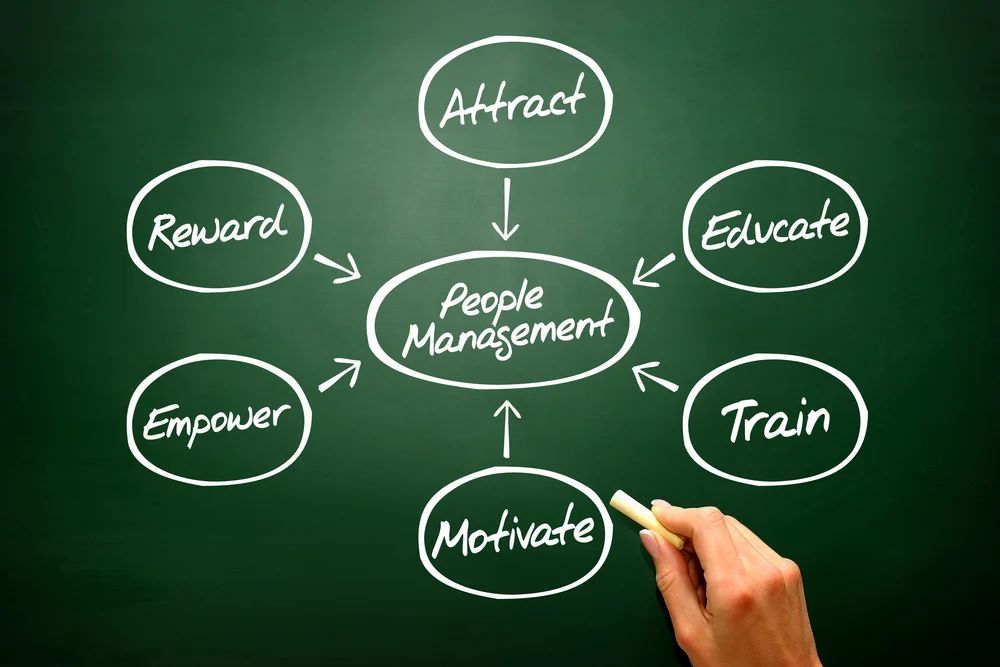
People management is ‘the practice of recruiting, training, engaging, and retaining employees to optimize their talent and maximize their productivity’.


The people management program at HTRUST has been specifically designed by HR experts in such a way as to maximize the potential and value of your workforce to your business. HTRUST partners with in-house HR teams to handhold people managers in client organizations and train them to transform their approach in a way that feeds into the goals of the organization.


HTRUST aims to bring out the real value of HR to the business — automating what needs to be automated, thereby freeing up HR teams to better use their time to work towards achieving the larger objectives of the business.


Why is people management important for your business?

When the people managers in your organization have been trained to hone their people management skills, they will communicate more effectively with members of their teams. Clear, effective communication enables trust — which, in turn, inspires employee engagement, talent retention, and increased productivity. Happy employees make for better workers.


An effective people management program, customized to meet the specific needs of your organization, could be just the booster shot your business needs.

Email to know more
By looka_production_87182833 June 3, 2026
‘Trust is the one thing that changes everything’ – in the words of Stephen MR Covey. A PwC survey found that 86% of executives report high trust in their employees, but only 60% of employees feel highly trusted, which clearly shows a significant communication gap. Let’s face it - establishing a culture of trust is not only essential but it’s imperative in today's times - for fostering collaboration, innovation, and employee satisfaction in the workplace. But how easy or difficult is that to create? Here are some simple yet practical strategies which will help build a culture of trust in your organizations. Promote Open and Honest Communication Effective communication is fundamental to building trust. Encourage your teams to share their ideas, concerns, and feedback openly. Regular team meetings, transparent information sharing, and an open-door policy can facilitate this. It’s important not just to speak but also to listen—genuinely hearing and acknowledging what your teams have to say. Lead by Example Actions speak louder than words. Its essential for leaders to model the behavior they want to see in their teams. This means keeping promises, being accountable, and demonstrating integrity in every action. When the team sees that they are reliable and trustworthy, they are more likely to emulate those qualities. Recognize and Appreciate Contributions Acknowledging the hard work and achievements of team members is crucial. Regular recognition and appreciation can boost morale and reinforce trust. Whether through a public acknowledgment in a meeting or a personal thank-you note, showing appreciation makes employees feel valued and trusted. Encourage Collaboration Over Competition While a little competition can be healthy, excessive competition can undermine trust. Promote a collaborative environment where team members work together towards common goals. Team-building activities and cross-functional projects can help break down barriers and foster a sense of unity and trust. Invest in Professional Development Show your teams that you are invested in their growth and development. Providing opportunities for training, learning, and career advancement demonstrates that you care about their future. When employees feel supported in their professional journey, they are more likely to trust their leaders and the organization. Creating a culture of trust is not a one-time effort but a continuous process. It requires dedication, consistency, and a genuine commitment to the well-being of the team. The benefits, however, are immense: a motivated, engaged, and loyal workforce that drives organizational success. So focus on creating an environment in your organization where trust and transparency are normalized. Let's build workplaces where trust isn't just a concept but a lived reality. To build a place that embodies Trust in every aspect - talk to us at - info@htrustconsulting.com
By looka_production_87182833 January 8, 2026
Discover why poor people management impacts employee engagement, productivity, retention, and long-term business growth—and how leaders can address it.
hr consultancy services in uae by HTRUST Human Resources Consultancy
By Aditi Priya November 7, 2023
In the age of remote work, successful collaboration has become an essential skill for teams to thrive. Whether your team is spread across the globe or simply working from home, effective remote collaboration can make or break a project. Here are some key strategies for successful team projects in a remote work environment. 1. Clear Communication: Communication is the bedrock of successful remote collaboration. Use various communication tools like video conferencing, chat apps, and emails to ensure that team members are always in the loop. Establish clear expectations for response times and ensure everyone knows when and how to reach each other. 2. Embrace Collaboration Tools: Leverage project management and collaboration tools to keep everyone organized and on the same page. Tools like Slack, Trello, Asana, and Microsoft Teams can streamline tasks, timelines, and priorities, making remote collaboration more efficient. 3. Define Roles and Responsibilities: Clearly define each team member's roles and responsibilities from the outset. When everyone knows what's expected of them, it reduces confusion and increases accountability. Use project management software to document roles and track progress. 4. Set Clear Objectives and Goals: Start every project with clear objectives and goals. Ensure that every team member understands the project's purpose, scope, and desired outcomes. This clarity helps everyone stay focused and aligned. 5. Establish Regular Check-Ins: Schedule regular team meetings and one-on-one check-ins. These meetings are crucial for discussing progress, addressing challenges, and maintaining team cohesion. Video calls add a personal touch, enhancing the connection between team members. 6. Document Everything: Remote teams should be diligent about documentation. Keep records of discussions, decisions, and project updates. Centralized cloud storage makes it easy to access and share important documents. 7. Foster a Team Culture: Nurture a positive team culture, even from afar. Encourage social interactions, celebrate achievements, and support team members when they face challenges. A strong team culture can boost morale and productivity. 8. Manage Time Zones Effectively: If your team spans different time zones, create a shared calendar that displays everyone's working hours. This will help prevent misunderstandings and ensure that meetings and deadlines accommodate everyone. 9. Be Adaptable: Remote work comes with its unique challenges, from technical issues to varying work environments. Be adaptable and empathetic when team members face difficulties and work together to find solutions. 10. Encourage Feedback: Invite team members to provide feedback on the remote collaboration process. This feedback can help identify areas for improvement and ensure everyone's needs are met. In a remote work landscape, successful team projects require proactive efforts to maintain communication, organization, and cohesion. By implementing these strategies, you can navigate the challenges of remote collaboration and foster a productive and connected team, regardless of physical distances. If you have been looking for the top HR consulting firms in Dubai to handle your teams, reach out to us today for custom-made solutions for your organizational needs.